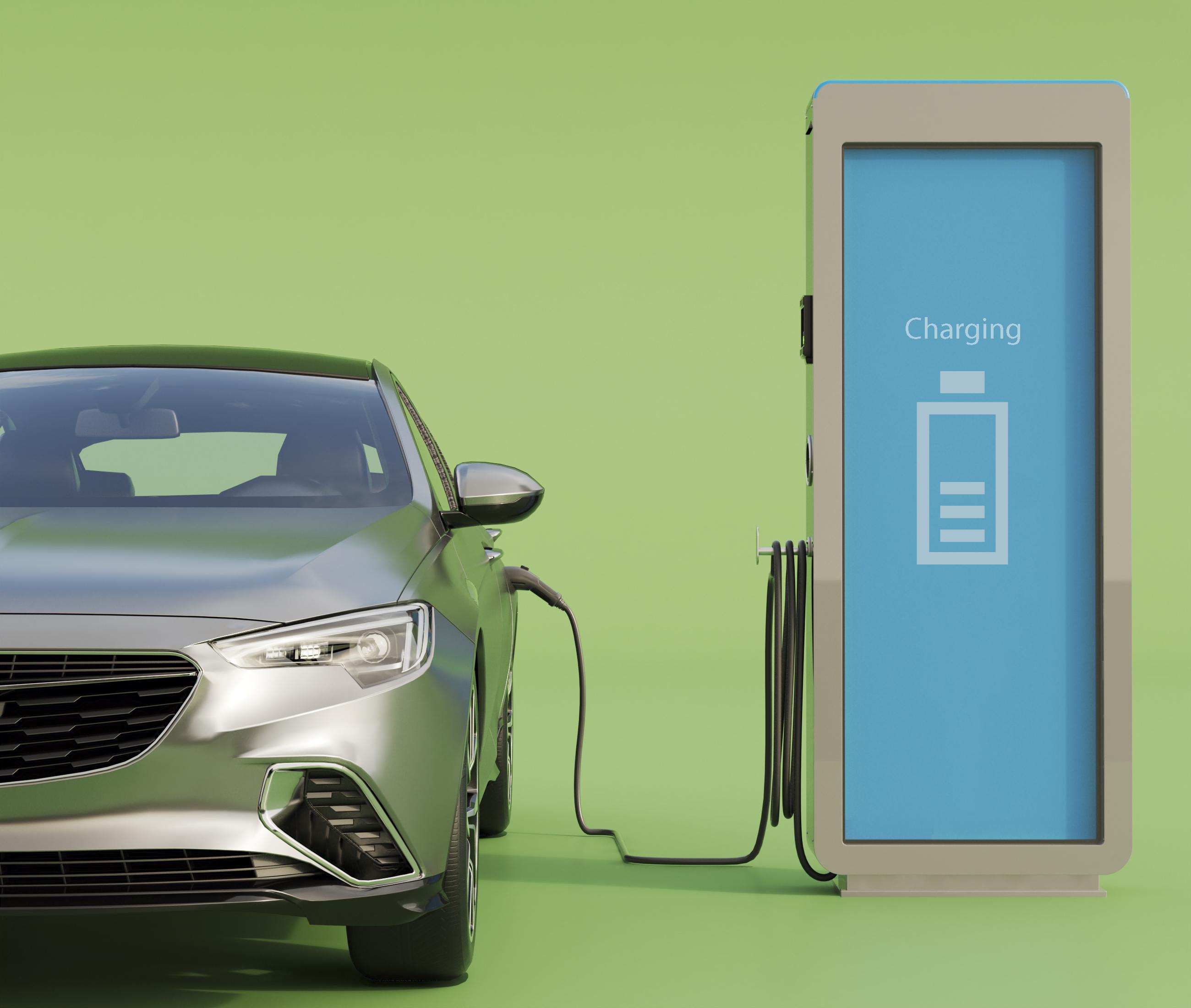
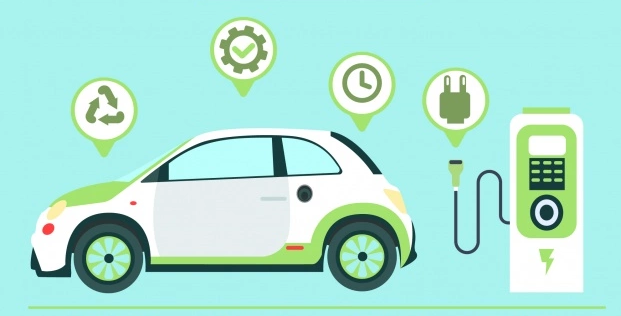
Electric vehicles, like fossil-fuel-based vehicles, need a charging station. Because charging takes time, it is more efficient to leverage IoT technology to make the system more user-friendly. Data exchanged can be transmitted to the server (CSMS) and mobile applications (User App) at the same time.
In this part of this series, we will cover the overall technology components/stack which you should consider for developing the EV charging app for your business. In subsequent parts of this series, we will cover each stack aspect separately in detail.
Before we discuss, Technology stack - Electric Vehicle Charging Station Management System, I would like to share a brief about how an EV Charging Station Process Happens.
- An EV owner either visits the nearest charging point (of the client) or opens the app to find the nearest charging point(EVCS). Depending upon the option, the user can scan the QR code on the EVCS or can choose the charging point and the connector. Now, the app will make a connection and depending upon implemented business logic will check whether the user has the minimum balance to continue with the charging session or not.
- Post this, the user will choose the option such as power or amount that he seeks to deduct Once confirmed, the app will establish a connection with the EVCS, initiate the charging. The start of the charging session update would be visible from the app.
- The update shall be visible regarding the session time, the power consumed etc. shall be visible.
- The user can stop the charging in between using the app or when the charging session ends the confirmation will be sent to the user and a pricing calculation request will be sent to the server.
- The calculated amount will be deducted from the user's wallet balance and the invoice will be made available to the user.
- At each step, an SMS, Email and app notification shall be shared with the user to keep him fully informed about the whole process.
Now let's take up the technology stack -
Cloud Technologies -
- AWS, Azure, and Google are the most suitable cloud environments.
Navigation and Location Detection -
- Google Maps or Places API.
- Apple’s Core Location Framework.
Databases -
- MySQL, Hbase, MongoDB, Postgre, and Cassandra.
User Communication -
- Email - Mailchimp integration can also be considered.
- SMS - Twilio
- Push Notifications - Amazon SNS, Twilio, and Firebase Cloud Messaging
Importance of Digital Solution in Electric Vehicles, Read Here
Payment Gateways -
- Integration is possible using Razorpay, Stripe, Payu, and Paypal.
Backend Technologies -
- PHP (Laravel)
- Mean/MERN Stack
- Python
IoT Communication Protocol -
- AWS is the most preferred cloud ecosystem for enabling your IoT Machine, especially the EV charging app. Communication protocols like HTTP, MQTT, LoRaWAN, and MQTT over WSS for seamless data transfer are possible using the AWS IoT solutions.
EV Charging Protocol -
- OCPP protocol is crucial for establishing continual communication between the application user and the charging station.
Popular Protocols One Should Know for Developing an EVCS Management App, Read Here
Each point in itself needs a detailed discussion hence we will take up those points in the next part of this series.
Conclusion
The goal of this post was to give an overview about technology stack for an IoT solution for EV charging stations for both commercial and private usage.
EV charging systems have grown increasingly efficient and easy for EV owners and providers with the advancement of IoT technology. AWS IoT Core aids with the configuration, development, and management of IoT objects, jobs, certificates, rules, policies, and other components.
TZi Solutions has created an Electric Vehicle Charging Station Management Web & Mobile Application by employing the above mentioned protocols and thus we have the potential to do so in the future.